Why is Shinnecock Hills the gnarliest U.S. Open test? It starts with triangles
By Gabby Herzig
June 16, 2026 5:00 am EDT
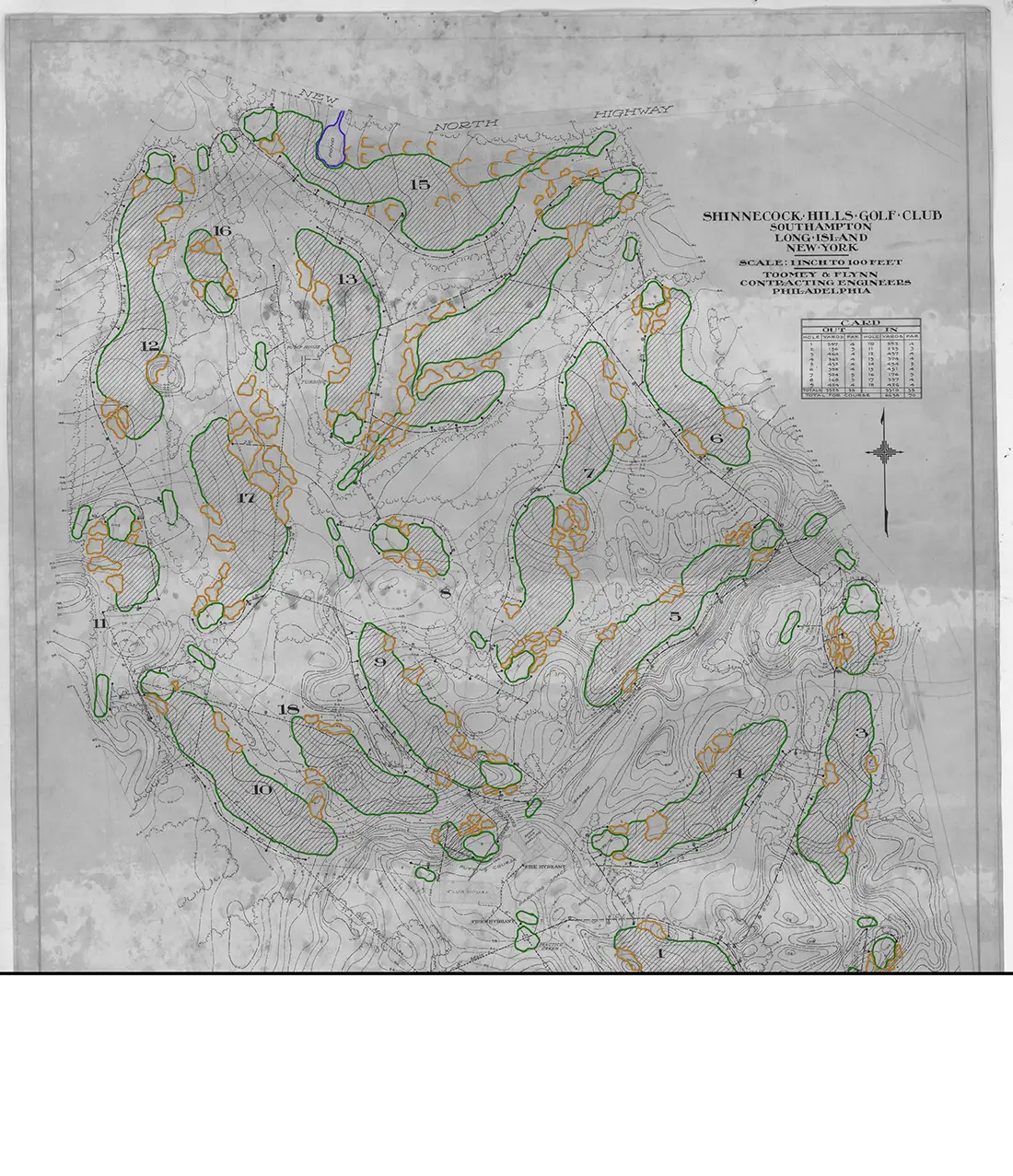
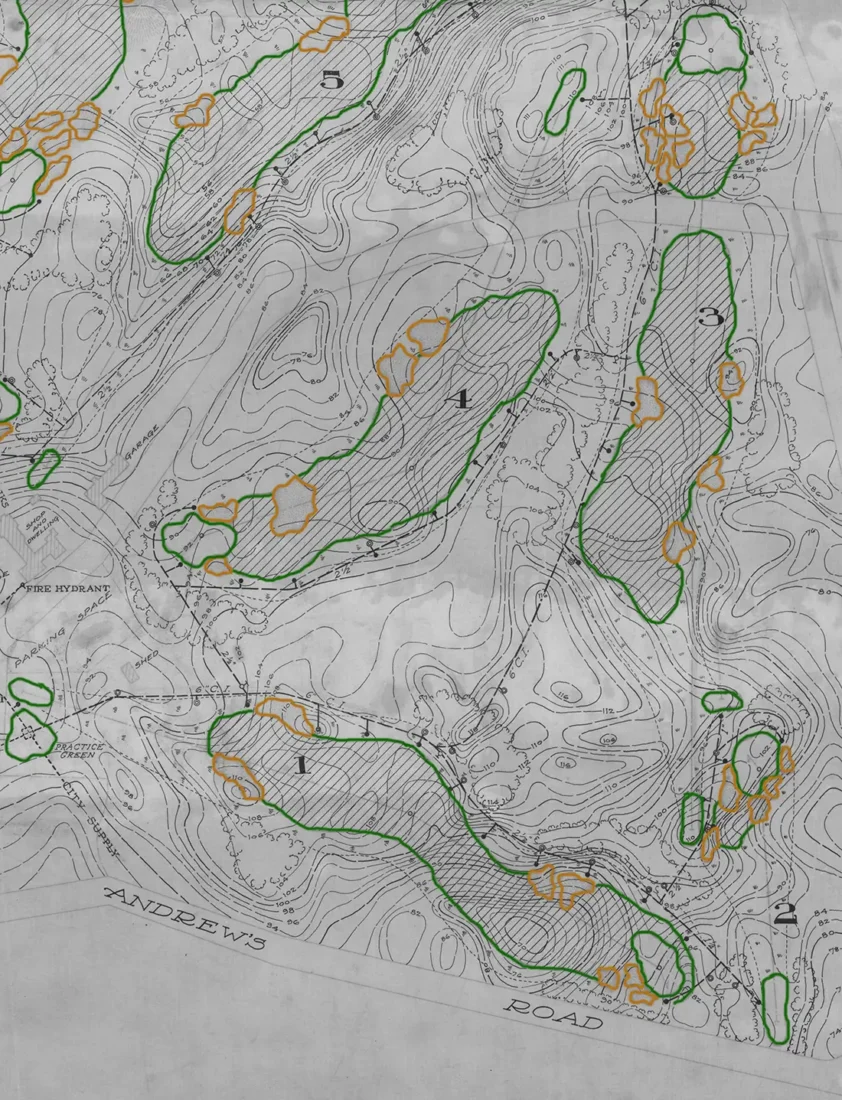
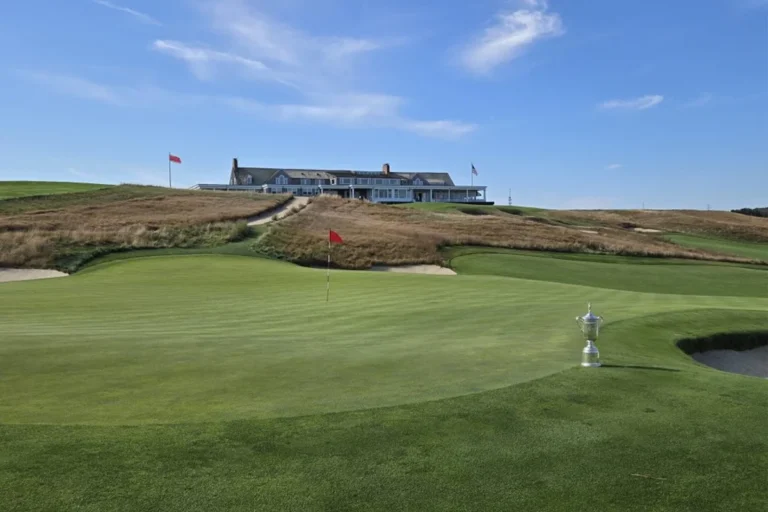
This is the site of the 135-year-old Shinnecock Hills Golf Club, the 2026 U.S. Open venue admired by experts as a timeless masterpiece. The national championship has been contested on Shinnecock’s sweeping terrain and canted greens in each of the last three centuries.
The last two times the U.S. Open was brought to Shinnecock, the course has been the story. Only two players finished under par across both tournaments. A six-time major champion committed a shocking penalty more fit for a charity scramble. Pros howled at the USGA, the organizing body that governs this major championship. They had a point — those tasked with determining green speeds and fairway width failed to give proper weight to the inherent toughness of architect William Flynn’s layout.
Why? Perhaps because understanding the true brilliance behind Flynn’s design first requires a step back.
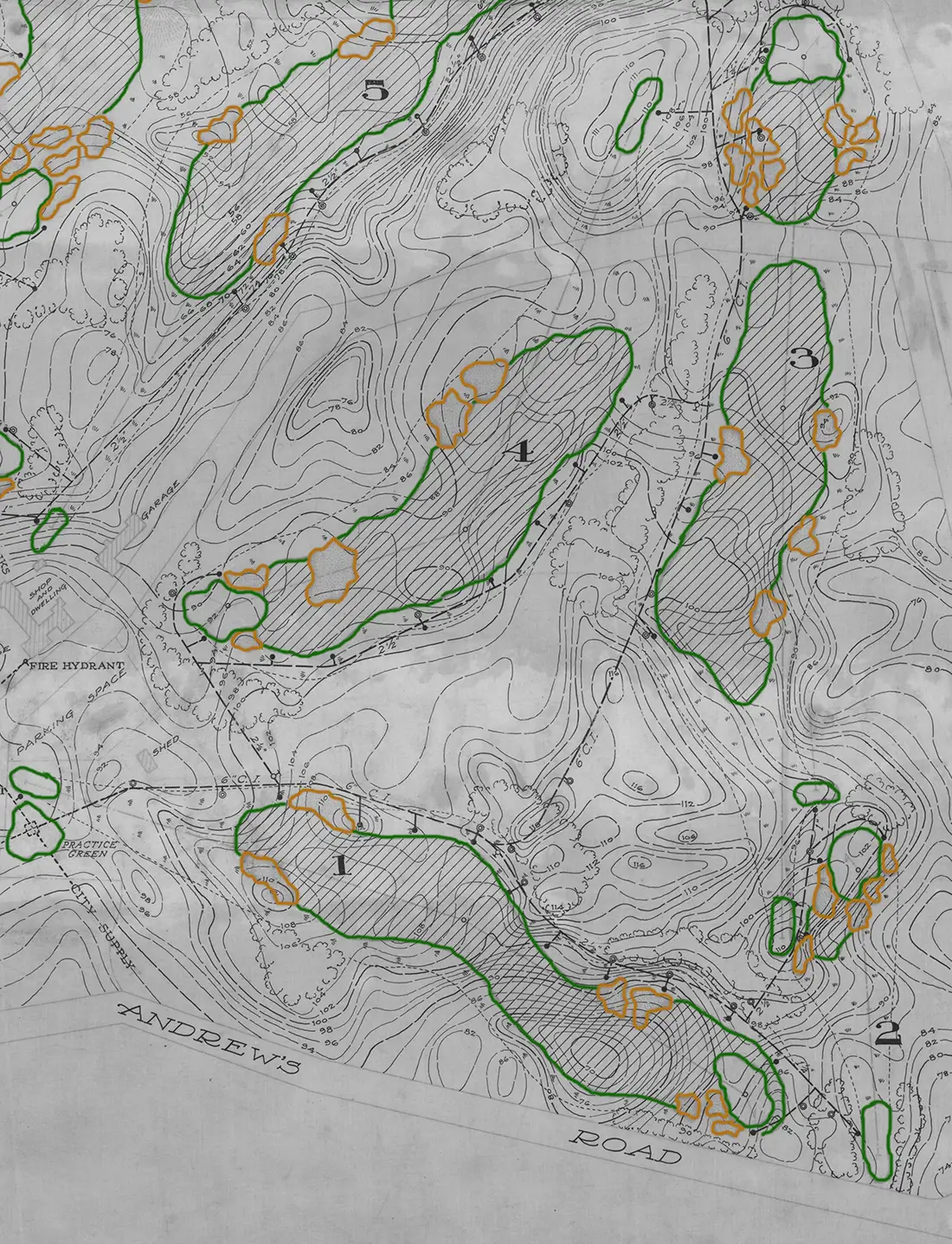
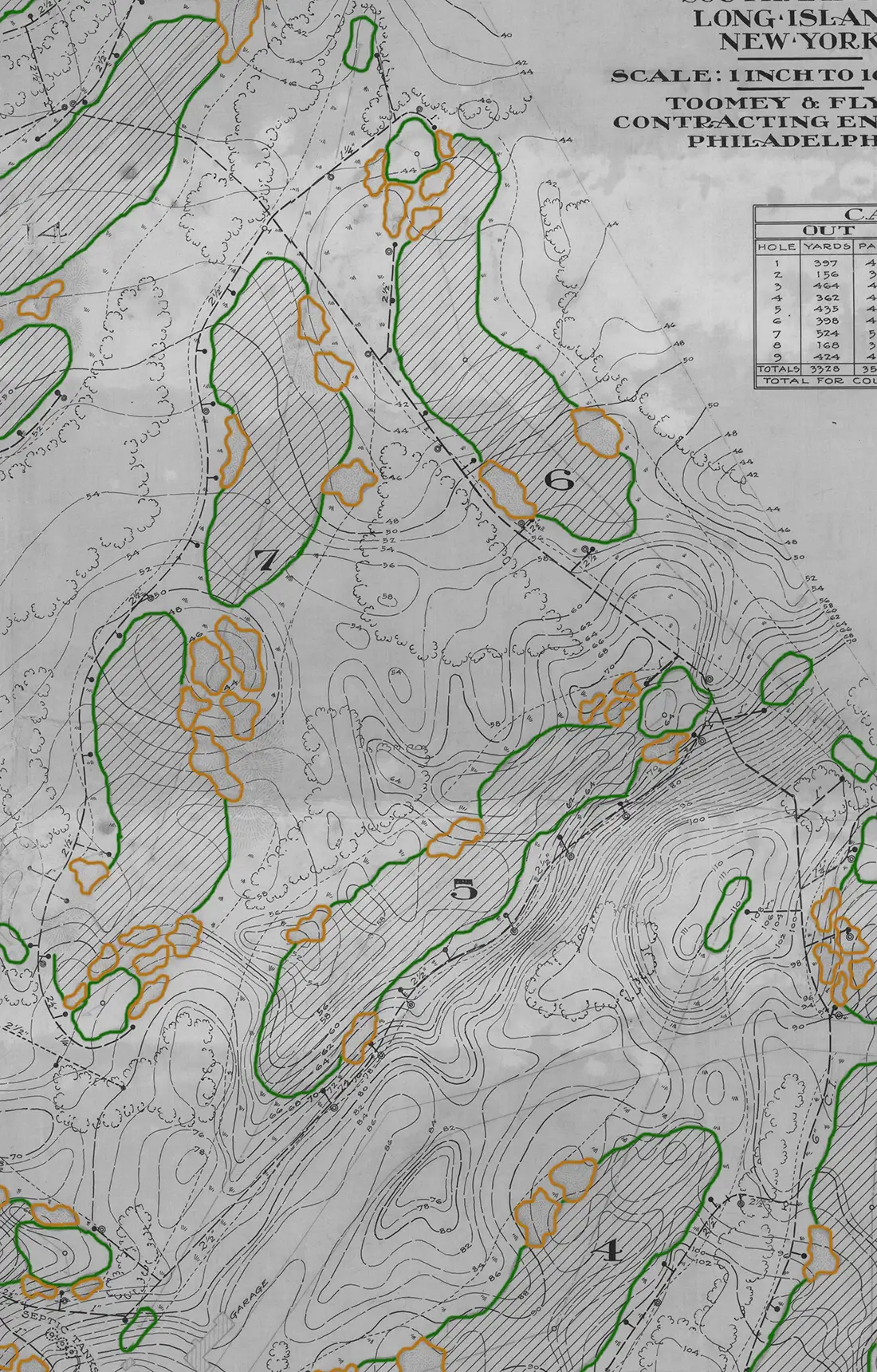
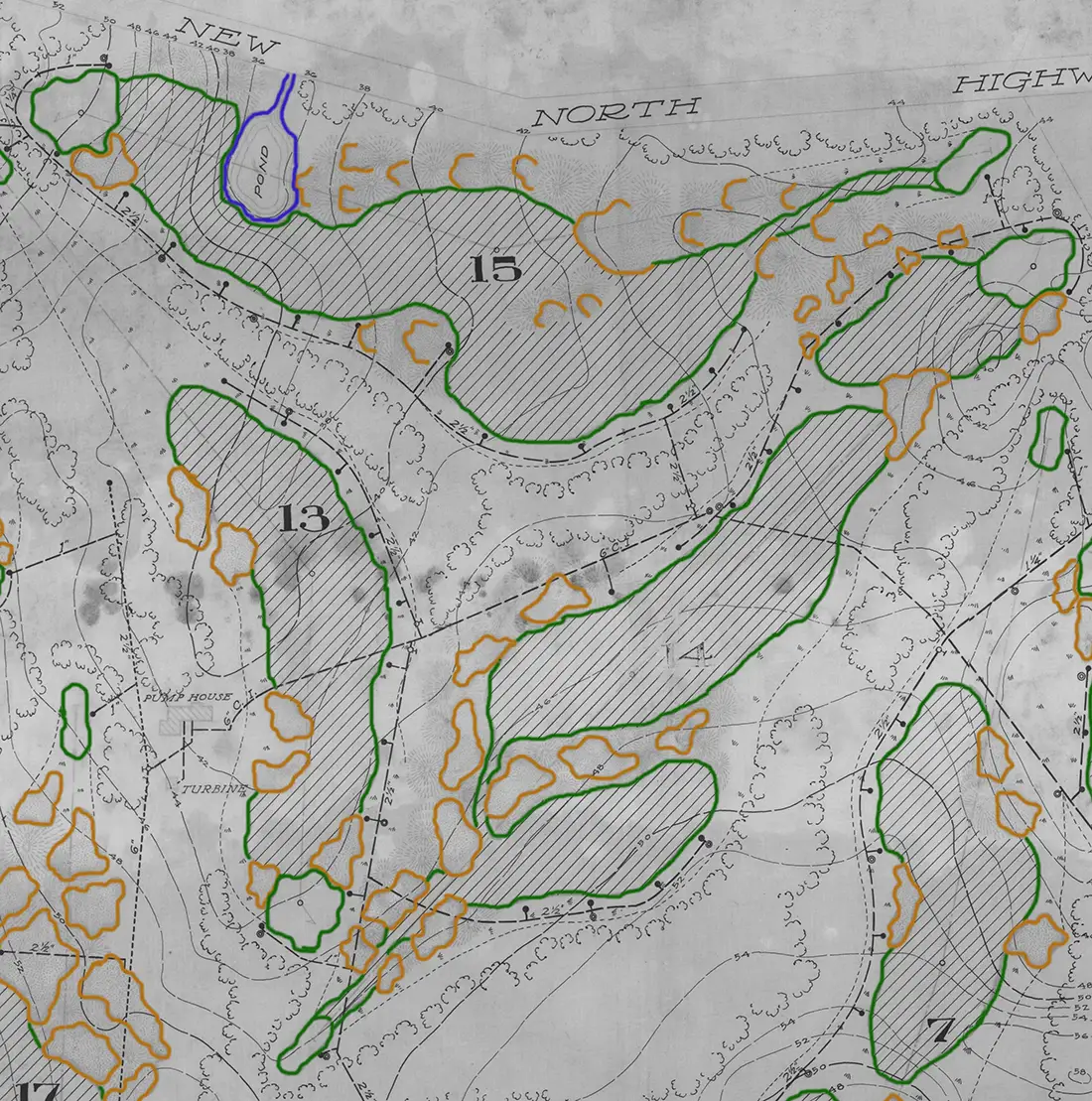
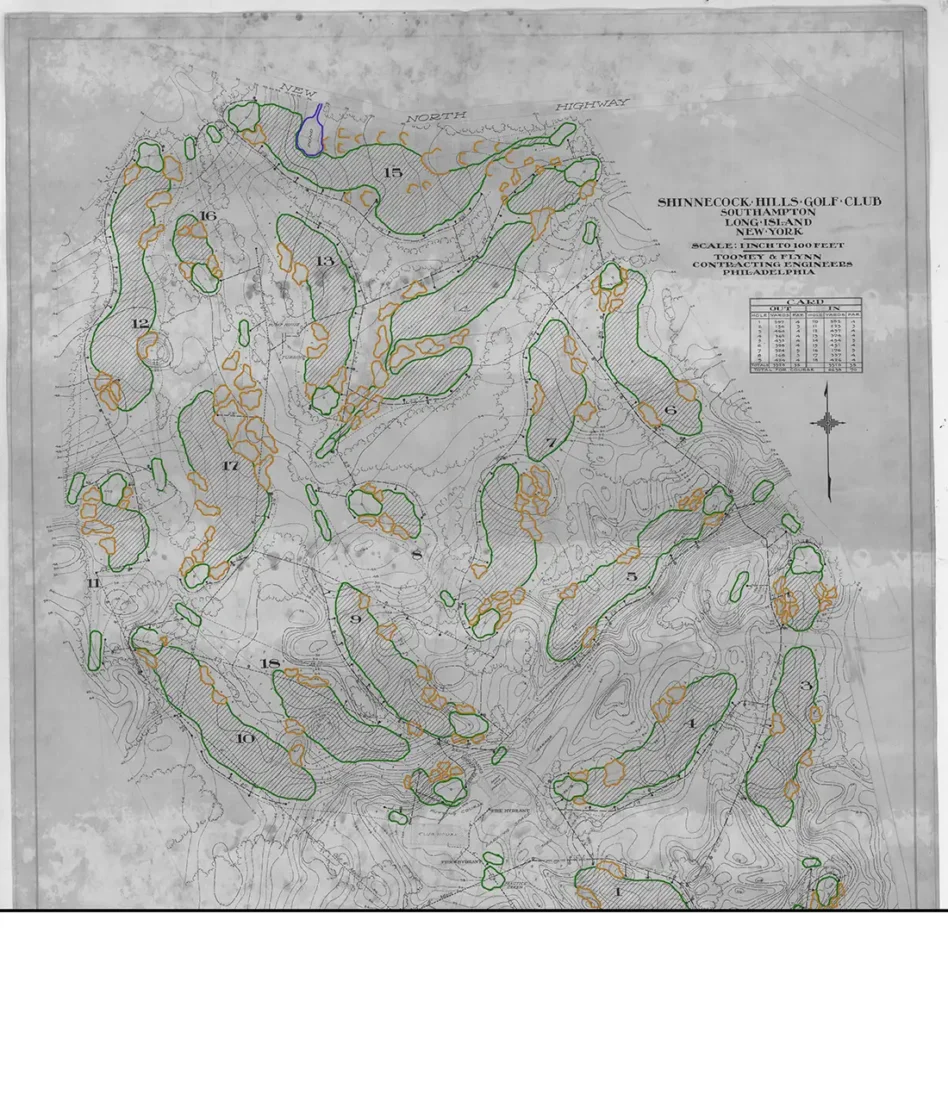
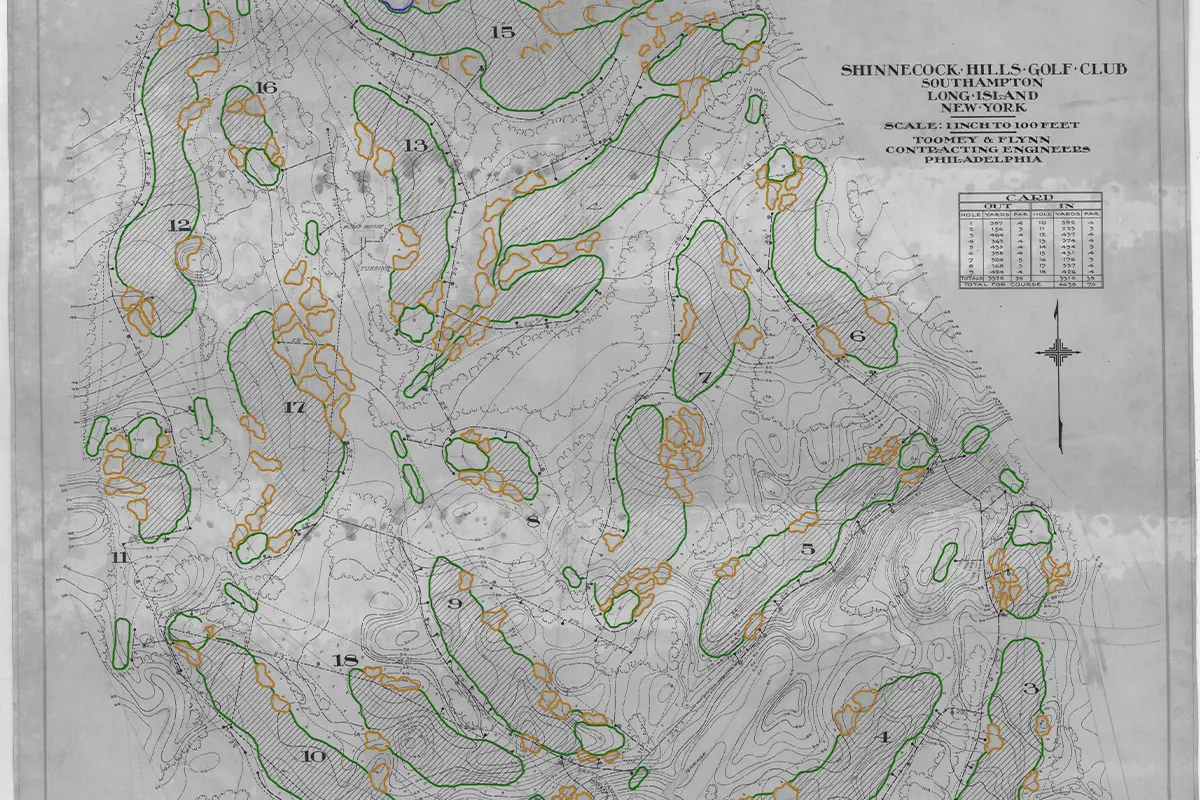
Shinnecock Hills is full of triangles — sneaky but massive, and always torturous triangles. You may not be able to see them as you plot your way around the course on foot. But from a bird’s-eye view? They are there, and they will haunt you. Shinnecock deliberately forces you to confront nature everywhere you turn…
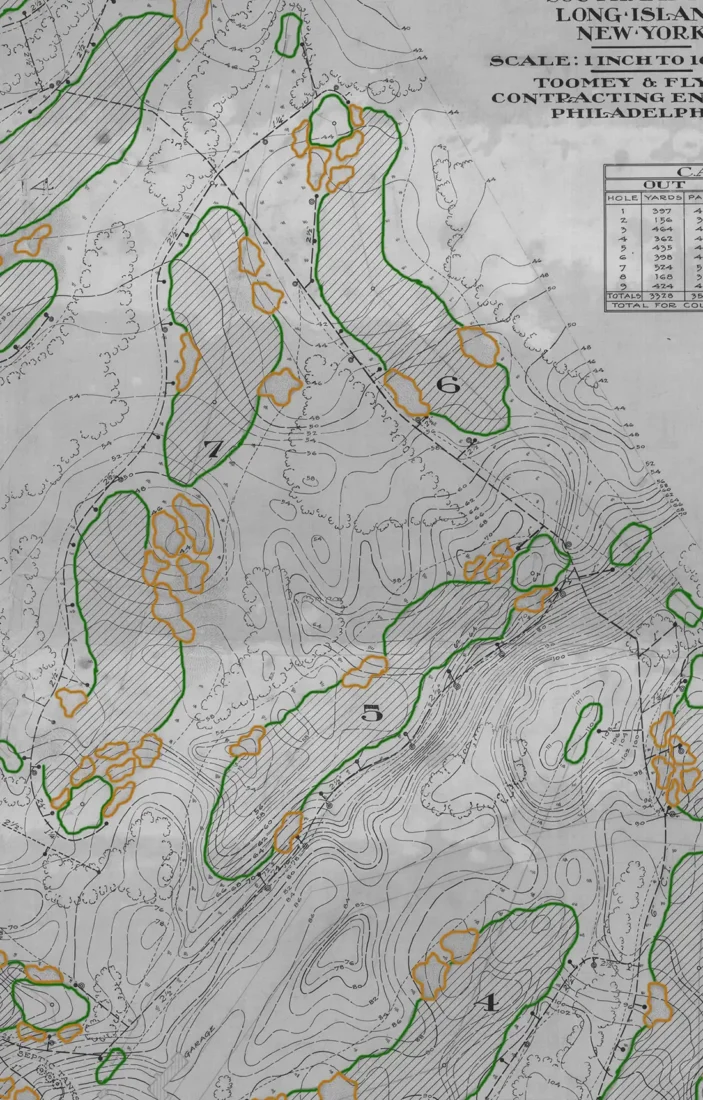
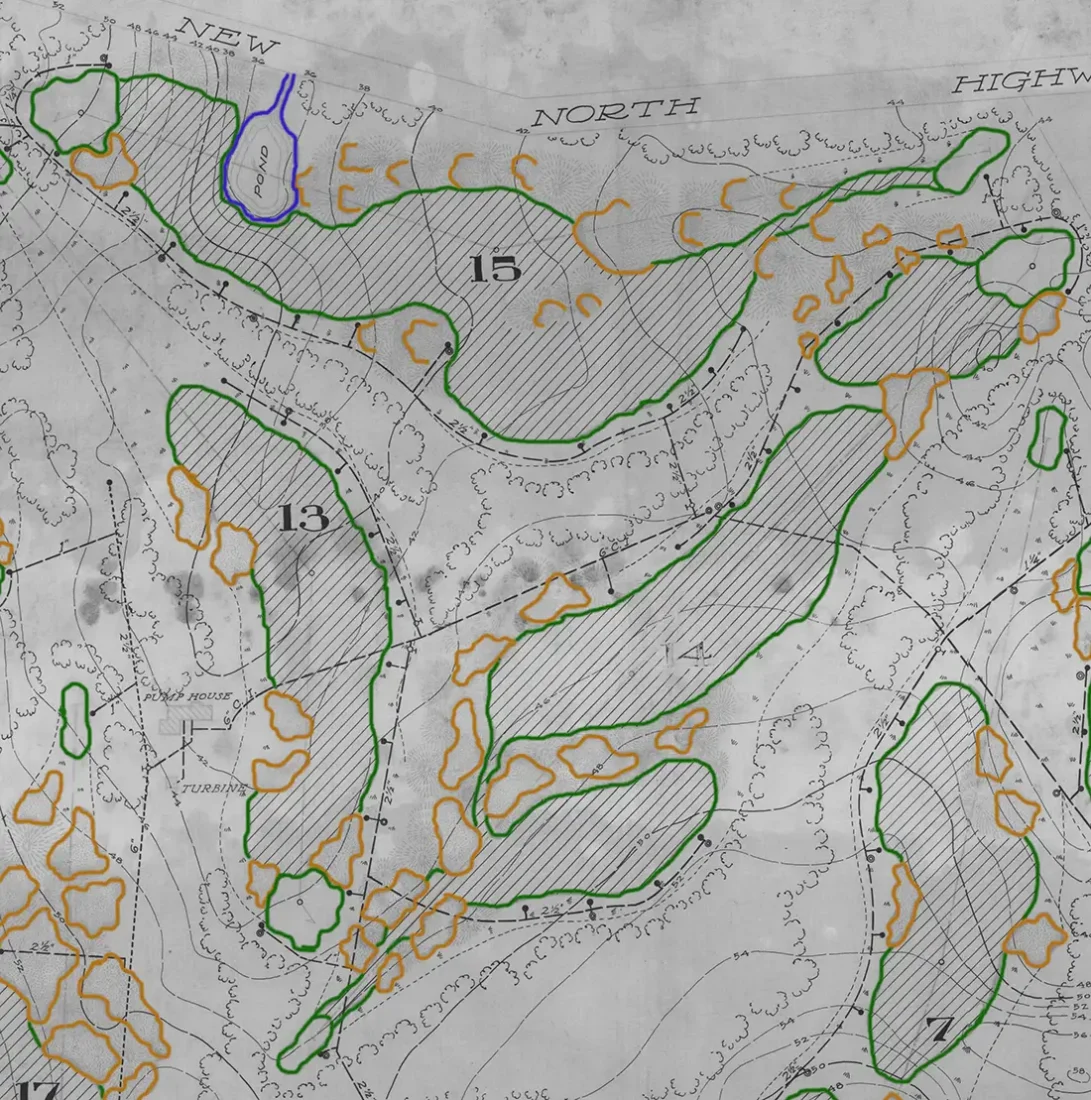
Holes No. 4-6 form the first triangle, holes No. 10-13 form the second, and holes No. 14-16 complete the final triangle. This configuration of holes was chosen specifically by Flynn in 1931 to pit the golfer against the prevailing southwest wind from all angles. The shape of Shinnecock spins you in a vortex, with crosswinds galore. With each new hole, the wind direction changes, demanding a heightened level of focus…
In this article, Wayne Morrison is quoted:
Read the Full Article in The Athletic“The triangulation is one of the key features of the course in that it really keeps you on your toes,” says Wayne Morrison, a historian of Flynn’s work and author of “The Nature Faker”, an extensive Flynn biography. “You can’t settle into a predictable pattern.”