Course of Action: Shinnecock Hills prepares to put William Flynn’s design on display at 2026 U.S. Open
By Phil Carlucci, The Met Golfer
May 26, 2026
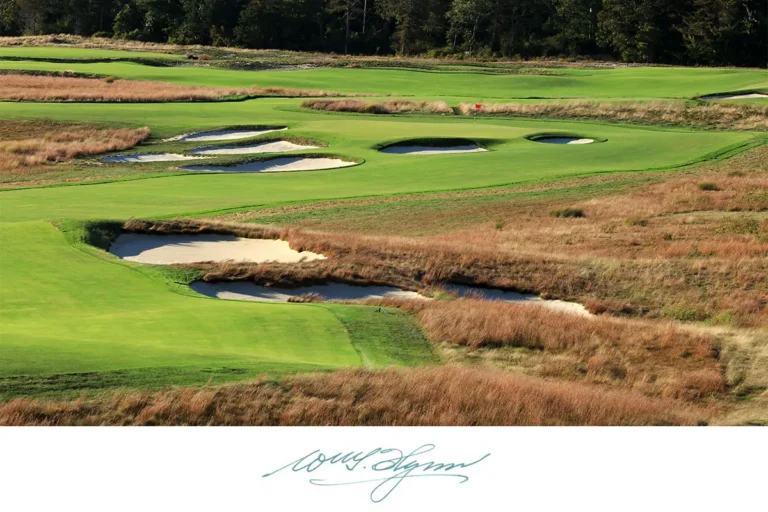
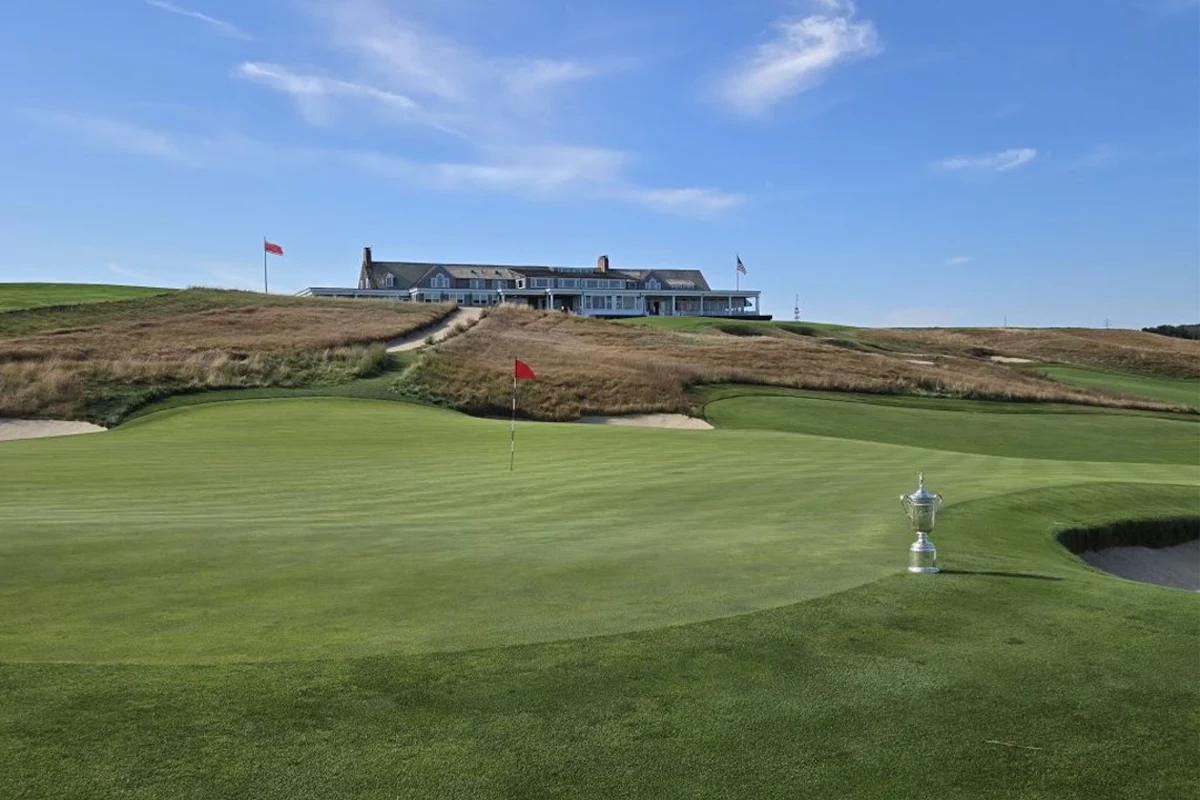
Behind the 11th green at Shinnecock Hills Golf Club last September, Scott Langley put on a short-game clinic. The four-time U.S. Open competitor and the low amateur at Pebble Beach in 2010 threw high lobs over the hillsides, hoping to spin and stick them near the flag. Then he skipped low pitches up the rising banks. Putt it, chip it, bump it with a 3-wood — Shinnecock offers plenty of solutions to precarious situations, he told a group of assembled golf media, but few are particularly effective once you’re stuck in its sandy grip.
“Options give the guys a lot of trouble around a place like this,” said Langley, senior director of player relations for the United States Golf Association. “Options and uncertainty.”
Ninety-five years ago, when William Flynn redeveloped Shinnecock Hills, he chose to perch No. 11 on top of an angled ridge. Today it covers a mere 155 yards, but the world’s best players are on defense from the first practice swing. Misses either splash in traps or speed downhill to the collection area where Langley staged his demo. Diminutive but devilish. Options and uncertainty. Most of Langley’s shots ran off the surface toward the sand.
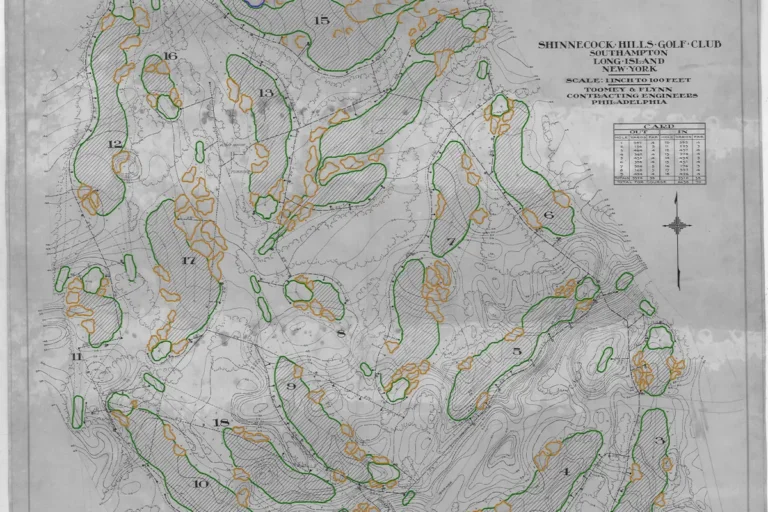
The USGA will put on its marquee event next month in Southampton, N.Y. with plans to formally introduce the golf world to Shinnecock Hills. Not Shinnecock Hills as presented by the USGA. Shinnecock Hills, 1931 vintage, by a figure whose lone Long Island design is one of the finest golf courses on the planet.
“This is the first time a true Flynn presentation of the golf course will take place,” says Jeff Hall, USGA managing director of rules and Open championships. “We’re very excited about that.”
Golf course superintendent Jon Jennings says this year’s tournament will be about celebrating the “best playing challenge in the world” rather than pressing the USGA stamp onto an American classic. “There are no changes to the course whatsoever,” he says. “It will play true to its design.”
The comments distill down to what has become the USGA’s core tenet for its approach to the 2026 national championship: “Let Shinnecock be Shinnecock.”
In that simple four-word statement is an admission that there has yet to be a genuine embrace of his wide, strategic fairways, expansive greens and pitched runoff areas, all fortified by the East End’s unrelenting winds. Even as the messaging centered around return-to-Flynn principles heading into the 2018 Open, the USGA rolled up stretches of newly widened fairways and re-narrowed them with sodded rough.
And in 2004, many restored features were simply dulled by slim fairways, brutally thick rough and parched conditions. Earlier Opens — note all the trees and high greenside rough amid Corey Pavin’s famed approach — barely resemble the open expanse the club revived in the years since.
“We don’t run away from the past,” says Brent Paladino, senior director of championship administration for the USGA. “We understand what happened in 2004 and 2018, and we’re committed in 2026 to make the course shine in the most positive light possible.”
Wayne Morrison consulted on the Flynn-focused restoration plan conceived by longtime green chair Charles Stevenson more than 25 years ago. Author of “The Nature Faker,” a 2,600-page colossus on Flynn’s design career, Morrison contends Flynn was as qualified as any architect to challenge players a century into the future.
“He was all about shot testing,” says Morrison. “There are different ways to play the holes at Shinnecock, but if you can hit the specific shot being tested, you’re greatly rewarded.”
Flynn cleverly arranged Shinnecock’s holes in a series of triangles, sending players out into an exhausting 18-hole tango with and against the prevailing winds. The course is always turning, and players are left uncomfortable and uncertain, physically and mentally spent by the end of a round. He also had the foresight to build elasticity into his courses. That’s what allowed the USGA to add nearly 500 yards to the course for the 2018 Open without papering over any of Shinnecock’s nuances.
Read the Full Article in The Met Golfer