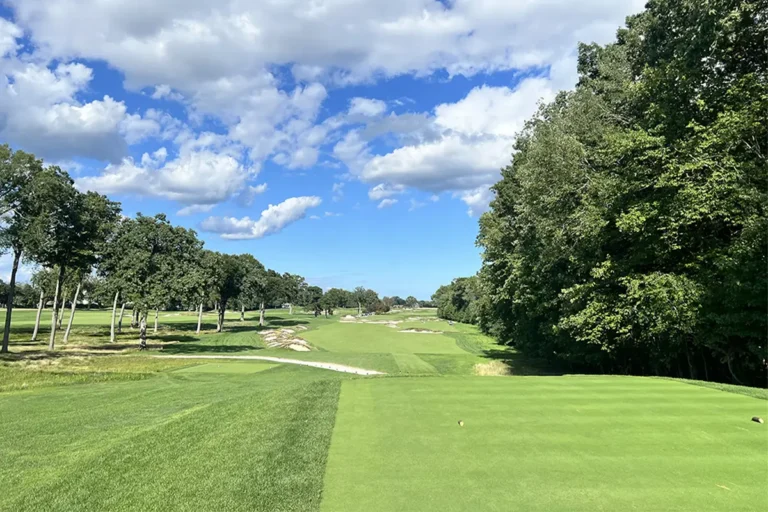

The Flynn Society had a wonderful outing at Huntingdon Valley CC on September 30, 2026.


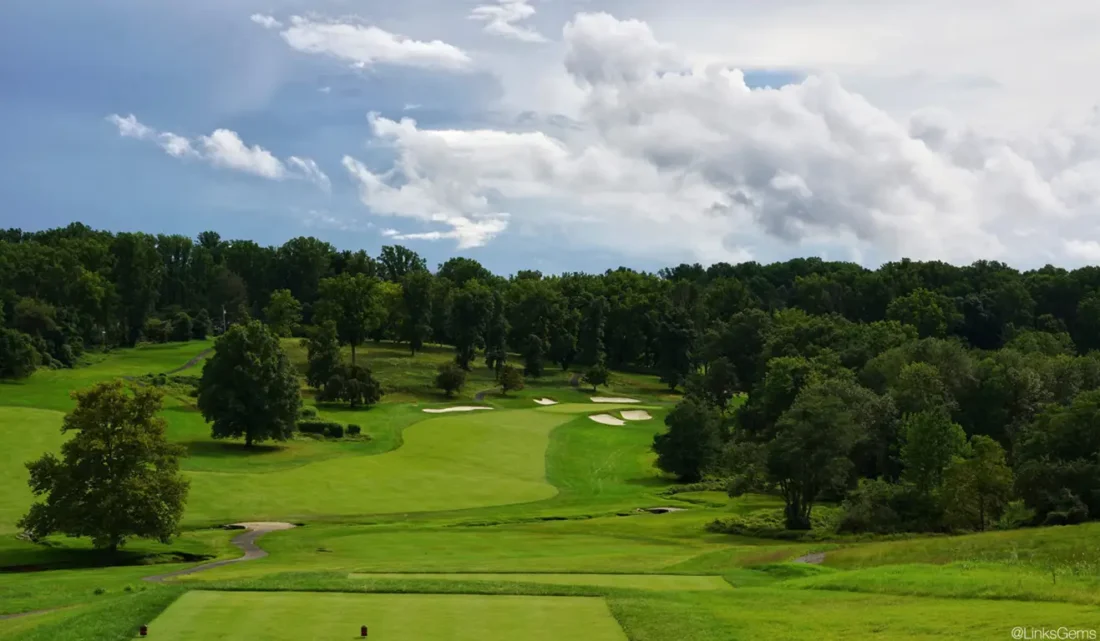
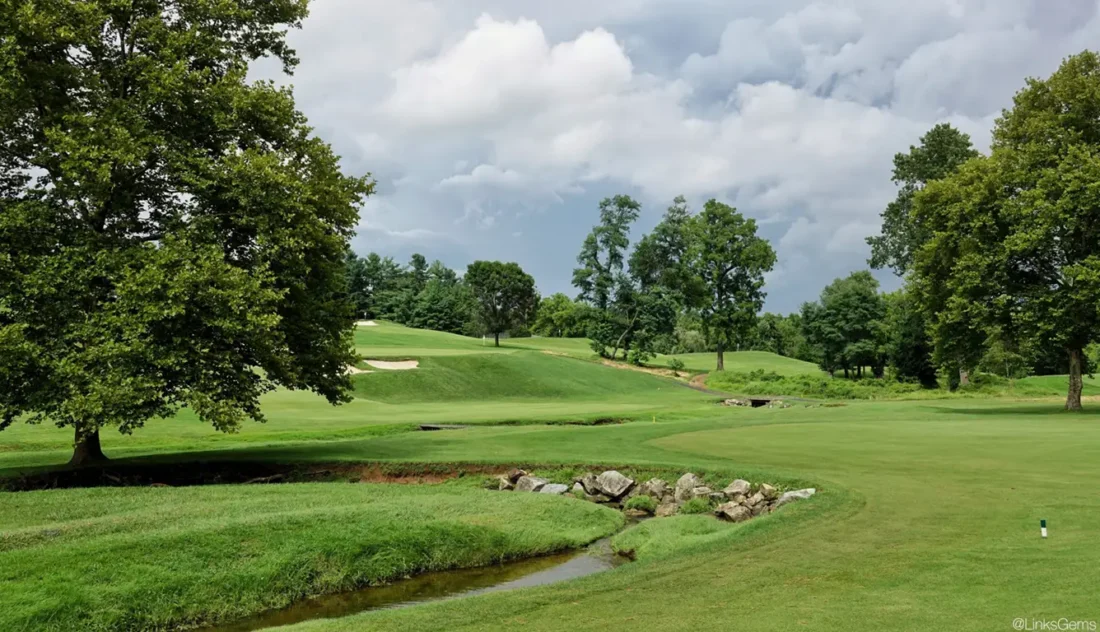
A Brief History of the Current Huntingdon Valley Country Club Course
In the mid-1920’s, the leaders of the Club decided to move to a new location due to the interference from the increased automobile traffic on Susquehanna and Valley Roads. Six holes of the golf course crossed these two roads. There is no record of any fatalities resulting from the mixing of automobiles and golf balls, although a few balls went through the open sides of these early automobiles, missing both drivers and passengers.
The site selected for the new HVCC was part of a huge tract of land owned by the estate of refined sugar magnate, W.W. Frazier. He was the Club’s first President, a Civil War veteran and a respected businessman who died in 1933 at the age of 83. Most of the land purchased by the Club was a working dairy farm in what was then Moreland Township (now Upper Moreland); however, a portion of the property is in Abington Township. The site, which is bounded by Edge Hill, Terwood, Paper Mill, and Welsh Roads, was assembled primarily from the estate of W.W. Frazier. However, some additional land had to be purchased from Edward E. Marshall Sr., when it was discovered that a portion of the new golf course had been constructed beyond the boundary of the Club’s property.
The original Master Plan called for the golf course and clubhouse facilities to occupy about 300 acres, and the remainder of the property was to be sub-divided into 2 to 5 acre home sites for Members. Although it was decided to build 27 holes initially, there was an understanding that more real estate could be purchased if 9 more holes were needed to expand to two 18-hole courses. The club contracted William Flynn to design and build 27 holes for the club. The property is divided into three distinct nines – the Toomey Nine, the Flynn Nine, and the Centennial Nine, which fell into disrepair after the Great Depression and were later restored. Flynn utilized the dramatic wooded bowl featuring a stream running through the base of the bowl. The front-nine routes counter-clockwise around the top edge of the bowl while the back-nine runs clockwise inside the base of the bowl. Flynn utilized his propensity to design dogleg holes which reward play from the outside of the dogleg. He intended the nines to be sequentially hard, harder, and hardest, with a distinct reward for players that can hit a fade off of a draw lie or a draw off of a fade lie. This is an outstanding collection of green complexes utilizing long interplays of slope rather than internal contouring. Short grass areas around the green emphasize the need to hit and hold the greens. Course conditions are famously firm and fast throughout the year.